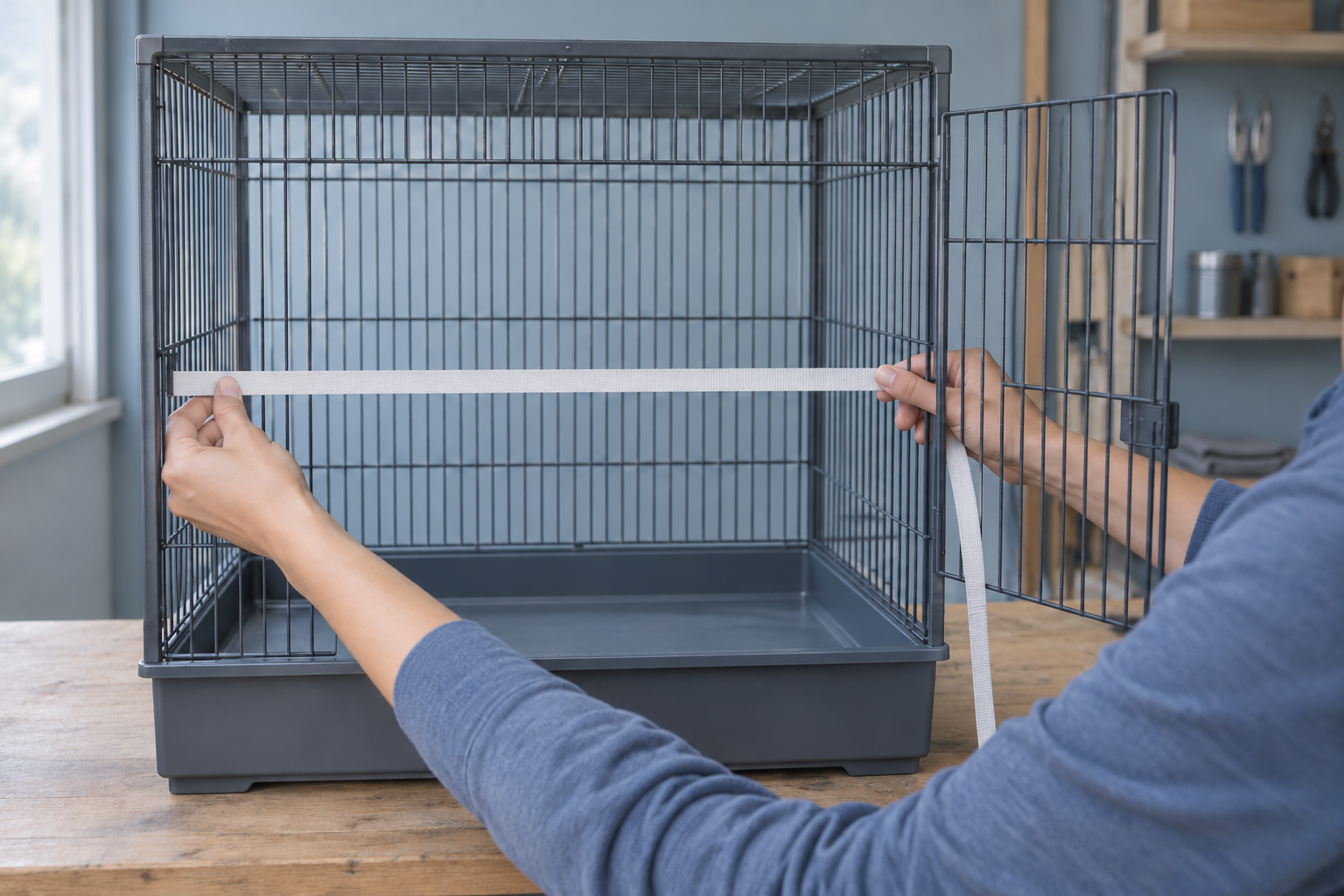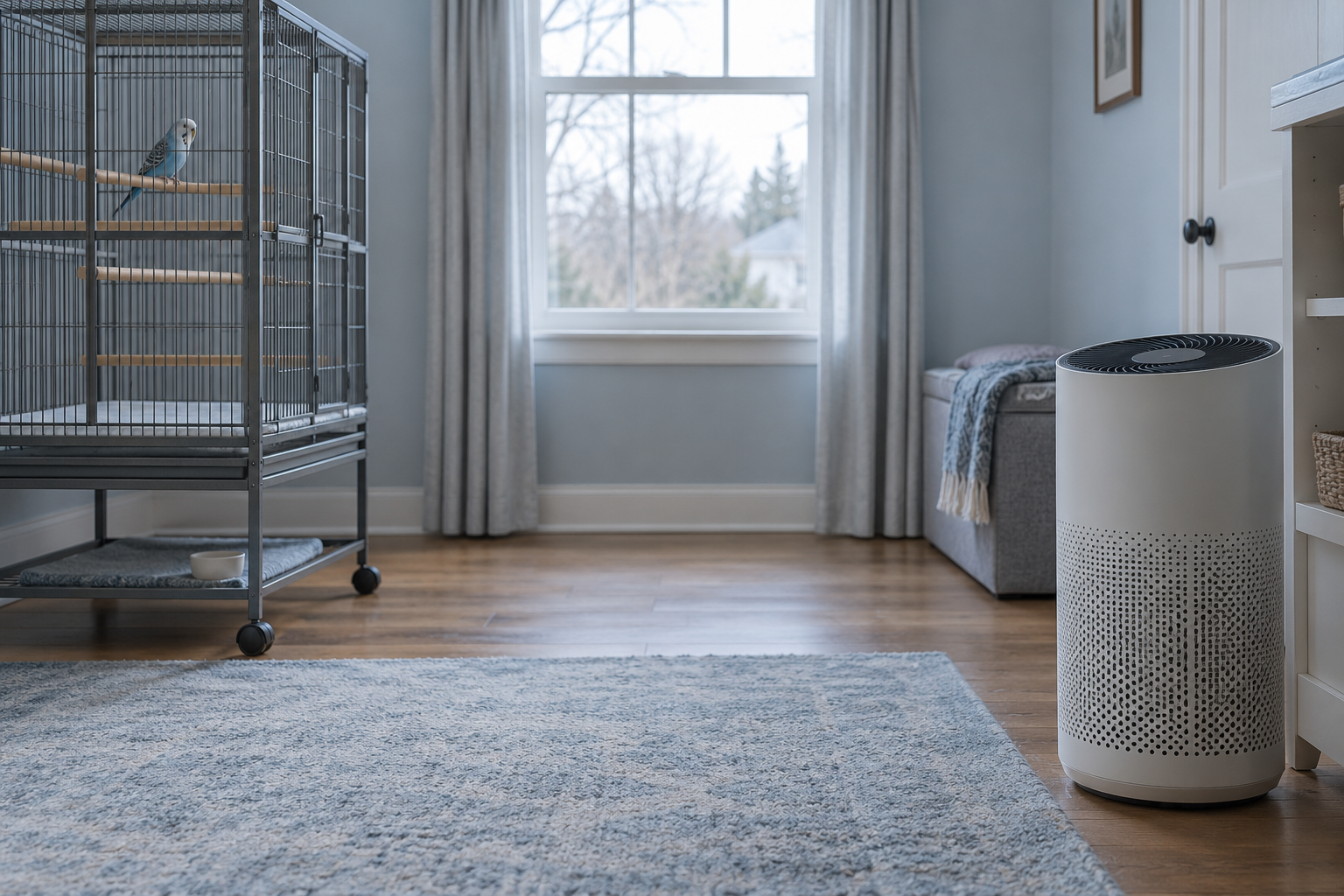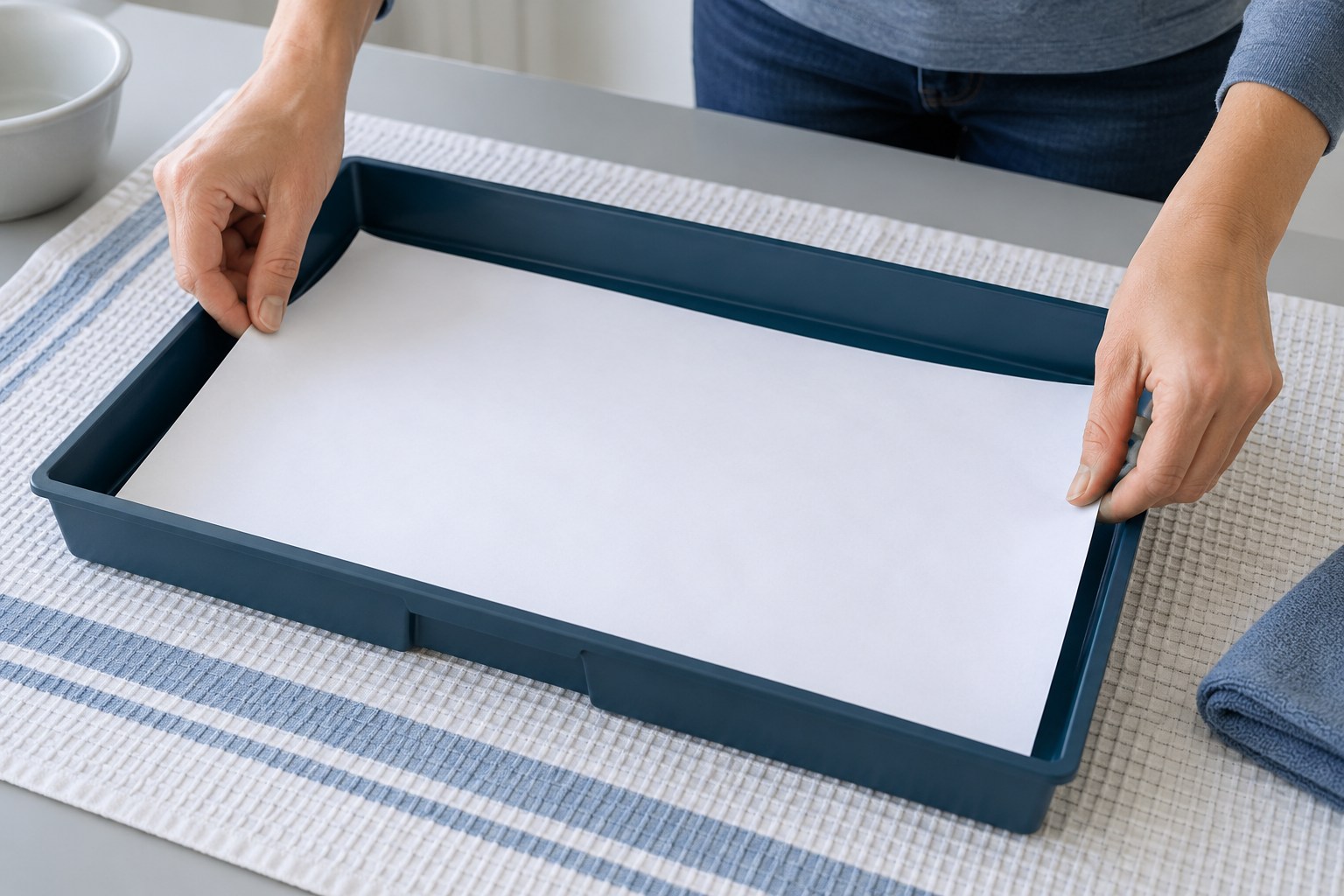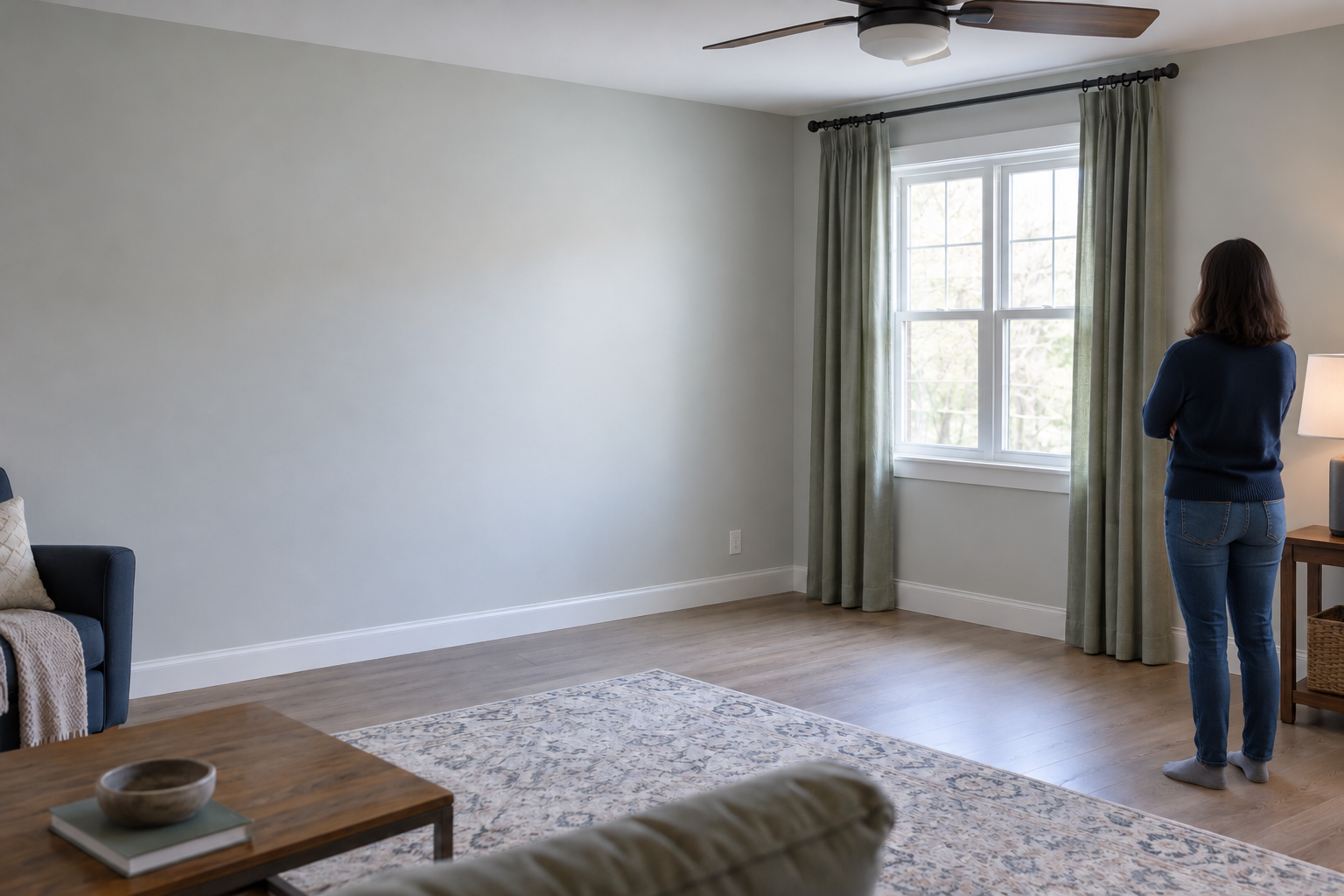
There is no universally perfect room for a bird cage. A bright window can also bring glare and temperature swings. A busy family room offers social visibility but may interrupt rest. A quiet spare room can protect sleep while leaving a social bird isolated for most of the day.
Choose placement by eliminating unsafe locations first, then scoring the remaining options on light, social contact, protected rest, traffic, cleaning access, and physical stability. The result should fit the individual bird and the household's real routine, not an idealized floor plan.
No room wins every category
List every realistic location before moving the cage. Score each from 0 to 2 on six factors:
- Light: a repeatable day-night pattern without uncontrolled direct sun or glare.
- Social visibility: normal household presence without constant commotion.
- Protected sleep: a routine that can become quieter and darker when the bird rests.
- Traffic: enough space around the cage to avoid bumps, surprises, and door conflicts.
- Care access: room to replace food and water, change liners, inspect the cage, and clean nearby surfaces.
- Stability and escape control: a level, secure base in a room where doors, windows, fans, and other animals can be controlled.
A high total does not override a serious hazard. It helps compare locations that have already passed the safety gate. Repeat the score at the times that matter—morning, cooking hours, evening, and bedtime—because a calm corner at noon may be a noisy walkway at night.
Apply the hard disqualifiers, then move on
Reject a location if the bird would be exposed to routine cooking or combustion fumes, smoke, aerosols, uncontrolled chemicals, severe drafts or temperature swings, an unstable stand, or direct access by another animal. Kitchens and food-preparation areas should not be used for bird housing. The MSD Veterinary Manual specifically warns against kitchen placement because cooking fumes can harm birds, and the CDC also advises keeping birds away from areas where food is prepared or stored.
Treat an exterior door that cannot be reliably controlled, a working ceiling fan in the bird's flight area, or a cage that children or pets can knock over as a failed safety gate. The full explanation and control of household hazards belongs in a separate bird-proofing audit; for placement, the question is pass or fail.
Ventilation should be steady without putting the bird directly in an air-conditioning stream, heating blast, or draft. “Fresh air” does not mean an open window beside the cage. If a room needs frequent scented sprays, strong cleaners, smoke, or hobby chemicals, it is not a bird room while those exposures remain.
Once unsafe choices are removed, stop repeating the danger list. Compare the practical tradeoffs among the locations that remain.
Light, stability, cleaning, and escape routines
Natural daylight can help create a clear daily rhythm, but a cage pressed against a window is not automatically beneficial. Direct sun can shift across the room and create heat, while glass can amplify glare or expose the bird to startling movement. The MSD Veterinary Manual advises avoiding placement near windows and air-conditioning because of temperature extremes.
Observe a candidate position across the day. Does direct sun reach the whole cage with no shaded retreat? Does the room become cold at night? Do reflections or outdoor movement repeatedly alarm the bird? Move the cage farther into the room or choose another wall if the conditions cannot be controlled. This guide does not prescribe ultraviolet lamps; lighting equipment should be selected separately with current species and veterinary guidance.
Set the cage on a stable, level base rated for its weight. Check that doors can open fully without hitting a wall, and that a person can reach the tray and bowls without twisting the cage. Leave enough room to inspect all sides. Avoid narrow corridors where bags, shoulders, vacuum cleaners, or moving furniture will strike the enclosure.
Plan the room's escape routine. Before the bird comes out, windows and exterior doors close, fans stop, other animals leave, and glass hazards are managed. Everyone in the home should know the cue that means the bird is out. A location beside the main entrance or a frequently used balcony door makes that routine harder even if the cage itself is secure.
Cleaning access affects whether a good routine remains realistic. The CDC advises keeping cage equipment out of food-preparation sinks and using an appropriate cleaning area. Choose a cage location with a practical route to that area and a washable floor or protective surface, without carrying contaminated liners over kitchen counters.
Social visibility and protected sleep
Many companion birds benefit from observing ordinary household activity. The CDC recommends a location near household activity, while LafeberVet's caging guidance advises visibility without placing the bird in the middle of constant traffic. These are compatible goals: presence without unavoidable intrusion.
From the cage, the bird should be able to see people approach instead of being surprised from behind. A wall or protected side can add security, provided ventilation remains adequate. Watch the bird's response. Relaxed preening, eating, and ordinary vocalization suggest a different experience from repeated freezing, alarm calls, or frantic movement when people pass.
Rest needs a protected routine. Evaluate the room after the household's usual bedtime, not only during the day. Televisions, gaming, late meals, bright hall lights, and repeated entries can keep a cage location active. A predictable quieter period matters more than claiming that one exact sleep duration suits every species and individual.
Sometimes the daytime cage cannot also provide reliable rest. A veterinarian or qualified behavior professional may help assess whether a separate sleep setup is appropriate, especially for a bird with night frights or a household with unavoidable evening activity. Do not solve noise by isolating the bird all day or by using a cover to compensate for fumes, drafts, or unsafe traffic.
Score three hypothetical home layouts
Studio apartment: The only open wall is several meters from the kitchenette, while a bright window and the entrance occupy the other sides. The kitchenette fails the separation test during cooking, and the entrance raises escape risk. A location farther from both may score modestly on light but better on controllability. The household may use furniture placement to create a protected side and must confirm that ventilation and the cooking boundary are genuinely adequate. If fumes cannot be isolated, the studio may not have a safe permanent location.
Busy family room: This room scores well for social visibility and care access but poorly beside the hallway and television. Moving the cage to a stable wall away from the main route may improve traffic and security. If evening activity cannot become quiet, the sleep score remains low and needs a separate plan. Children and pets require physical separation, not a promise to “be careful.”
Spare room: The room is stable, quiet, and easy to secure, but no one enters for most of the day. It may work as a sleep space or for a bird that becomes overwhelmed by traffic, but it scores poorly for daytime social visibility unless the caregiver deliberately spends meaningful time there. Moving the daytime cage into isolation simply because the room is convenient is not a neutral choice.
Re-score after each mitigation. A curtain may manage some glare but not dangerous temperature swings. A closed door can create an escape barrier, but only if the household uses it consistently. A washable mat improves cleaning but not social isolation.
The best cage location is the safest option that supports an ordinary day: visible but not besieged, bright but not overheated, ventilated but not drafty, accessible but not in a walkway, and quiet when rest begins. Document why the location passed, then revisit it after seasonal changes, a move, a new pet, or any change in the bird's behavior.