Seasonal safety works better as a recurring calendar than as a list read once. The cycle is simple: prepare before a predictable risk period, monitor current local information, act using veterinary and emergency guidance, then reset supplies and records afterward. The dates and triggers must remain regional. Fire season, storms, extreme heat, winter travel, and major holidays do not occur on one global schedule.
The entries below were selected because they create a distinct review: heat and smoke, outages and evacuation, holidays, cold-weather transport, and post-event recovery. Check local government and weather sources close to the event. For example, US readers can use AirNow and local emergency alerts, but the US Air Quality Index should not be presented as a universal bird threshold. Ask an avian veterinarian how the individual bird's age, species, and respiratory or cardiovascular health should change the plan.
Give every review an owner and a completion date. “Check the emergency kit” is easy to postpone; “Maya checks carrier latches, rotates food, and calls the clinic on May 1” is auditable. If several people share care, store the calendar where all of them can see changes rather than keeping it in one person's phone.
Six to eight weeks before local heat and smoke season
Put two dates on the calendar: a preparation review before conditions usually deteriorate, and a weekly reminder to check forecasts and local alerts once the season begins. Record which official service covers your exact location and how alerts will reach the household if power or internet service fails.
The US Environmental Protection Agency's pet-smoke guidance, checked October 13, 2026, says birds are particularly susceptible to smoke. It advises using current air-quality information, planning for cooler filtered indoor air, consulting a veterinarian, and preparing to evacuate. This supports a contingency review, not one equipment prescription.
Check how the home can remain both cool and protected from smoke. Closing windows may reduce incoming smoke but can create dangerous heat if cooling is inadequate. Identify a cleaner-air room, compatible cooling, the building's ventilation controls, and a second location with acceptable air if the home cannot stay safe. Review filters and air-cleaning equipment according to manufacturer and professional guidance; evaluate purifier specifications separately rather than buying from a seasonal checklist.
Write an action trigger in terms of official local advice and the bird's condition, not a number copied from another country. Record which alert causes you to close the room, which condition causes relocation, and which observed signs require an immediate veterinary call. Recheck those decisions with the clinic before each season.
Call the bird's clinic before the season, not during the first bad day. Confirm current hours, after-hours options, transport instructions, and whether the bird has conditions that warrant an earlier response. Refresh the carrier routine. Decide who can move the bird, which route avoids active hazards, and where the bird is actually permitted to stay. “Go to a hotel” is not a plan until the property confirms that it will accept a bird.
Finally, map power dependence. List cooling, ventilation, lighting, medication storage, and communication needs that fail in an outage. A backup must be operated safely around birds and cannot introduce exhaust or fumes indoors. If the plan relies on another building, specify the person, address, keys, transport, and conditions that trigger leaving.
Before storms, outages, and sudden evacuation

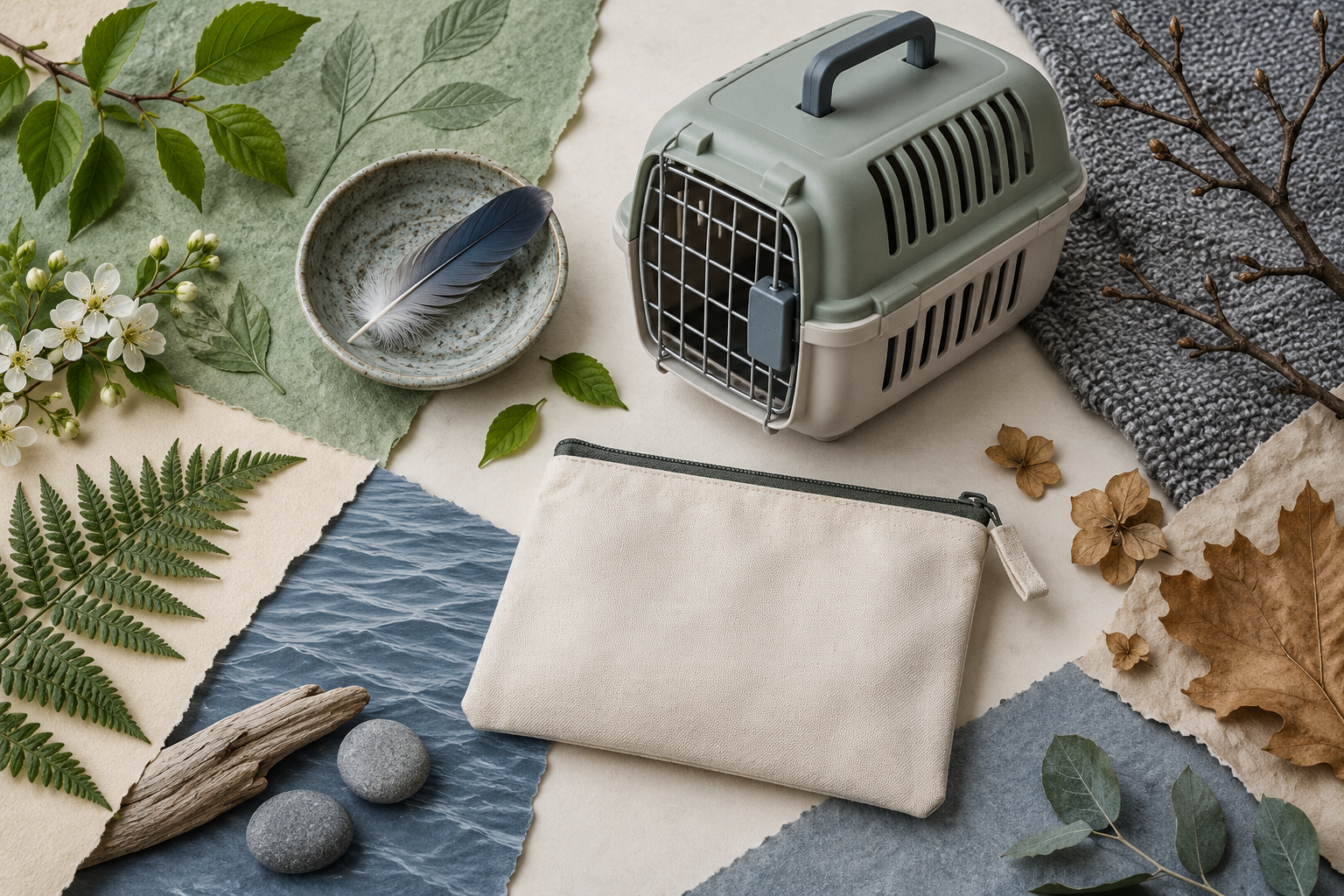
Review the evacuation kit at the start of the local storm season and again when a watch is issued. The carrier should be intact, labeled, and familiar. Keep current photos, identification information, veterinary records, medication instructions, feeding routine, behavior notes, and clinic contacts in a portable waterproof packet and a secure digital copy.
The American Red Cross recommends a pet kit with a carrier, food, water, bowls, medications, records, photos, and care information. Adapt that framework for the bird: pack the established diet in a sealed rotation, safe water containers, plain liner, cleaning supplies, and only compact familiar items. Check expiry dates and replace consumed stock instead of leaving a kit untouched for years.
Confirm two safe destinations and two transport routes. Ask whether each destination allows birds, has reliable power and climate control, and is free from smoke, aerosols, unsafe cookware, predators, and escape routes. Include an out-of-area contact card in the carrier. Run a calm drill that ends with the bird back at home; do not wait for an alarm to discover that a latch sticks or the carrier will not fit in the vehicle.
During an emergency, follow local evacuation orders. If breathing becomes difficult, the bird is weak, loses balance, or shows another acute change, contact the veterinary service rather than using a disaster checklist as treatment advice.
Two weeks before decorations or guests arrive
Schedule a rerun of the household bird-proofing audit before packages, plants, cooking plans, candles, visitors, and open doors alter the environment. This calendar does not need to re-explain every permanent hazard; its job is to make sure the full audit happens before the house changes.
Assign responsibilities in writing. One adult controls exterior doors while the bird is out. Another checks that the bird is secured before deliveries or guests enter. Decide which rooms are off-limits and who confirms fans, windows, cooking areas, and other animals are controlled. Tell visitors what they may not feed, spray, burn, open, or handle.
Protect routine as well as space. Keep normal feeding, cleaning, sleep, and medication times visible on the household schedule. Prepare a quiet backup room before noise begins, ensuring it is safe rather than merely distant. Move the bird early enough to avoid a chase through a crowded room. If travel is planned, reconfirm the sitter's competence, emergency authorization, clinic contacts, and exact observations to record.
Repeat the same audit after the celebration. Dropped food, ribbons, broken decorations, open bags, and changed furniture can remain after guests leave. Restore the ordinary room before ordinary out-of-cage access resumes.
Several days before cold-weather transport or longer travel
Cold safety is about transitions and individual condition, not one global temperature number. Review current local weather and ask the veterinarian about the bird's health. RSPCA transport guidance advises warming the car before bringing the bird outside, protecting the carrier, avoiding sudden driving movements, and planning food or moisture for longer journeys under veterinary direction. VCA similarly recommends pre-warming the vehicle and covering the carrier in cold weather.
Practice entering the carrier before departure day. Plan the shortest safe path from building to vehicle, secure the carrier away from direct vents, and prevent escape at every transfer. At the destination, verify a suitable room, routine, and bird-experienced veterinary option. For air, rail, or cross-border travel, check the current carrier, health-document, identification, and species rules directly with authorities and the transport company; policies can change.
Reset within 48 hours after the event

When the immediate risk passes, refill food and cleaning supplies, replace used records, recharge devices, and inspect the carrier. Note which alert arrived first, which contact answered, what was hard to carry, and whether the destination remained suitable. Update phone numbers and permissions while the failure points are fresh.
Do not assume the home is ready for return because an official warning ended. Confirm local re-entry guidance, indoor conditions, power stability, and the absence of new fumes, debris, or water damage before restoring the bird's normal area.
Then schedule the next seasonal review. A good calendar does not predict every emergency. It prevents the same foreseeable gap—an unfamiliar carrier, expired food, an unconfirmed destination, or a missing clinic number—from returning each season.