The small-cage illusion
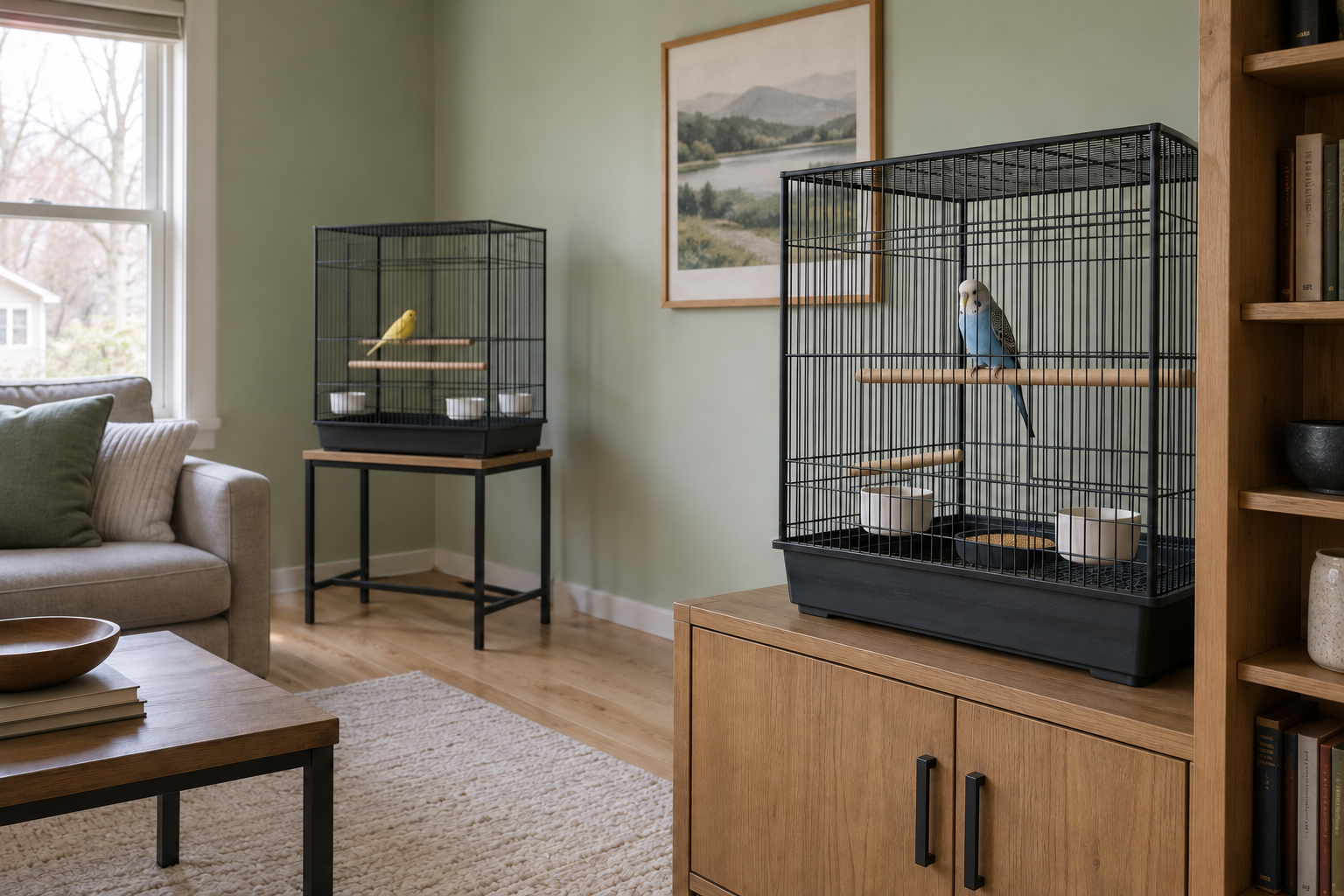
A pet bird can look like the compact answer to a crowded life. The animal is small. The enclosure occupies less floor space than a dog bed. Food arrives in a bag, walks are unnecessary, and the quiet bird in a shop display seems almost self-contained. That picture is persuasive because it shows the equipment and hides the relationship.
Birds are not difficult merely for the sake of being difficult, and beginners are not foolish for missing work that retail displays rarely show. The problem is the word easy. It compresses movement, social contact, cleaning, training, safety, nutrition, and veterinary access into the size of a cage. A more useful question is whether a particular household fits the life a particular bird needs.
That distinction is not semantic fussiness. “Low-maintenance” encourages a buyer to compare visible chores. “Good fit” asks whether the household can provide recurring opportunities and make plans that remain workable when schedules, housing, or health change.
A bird's day is more than food and water
Food and fresh water are essential, but they do not complete a bird's day. Birds are intelligent, social animals adapted for flight. The MSD Veterinary Manual notes that keeping a solitary bird in a small indoor cage with limited exercise can have physical and psychological consequences. RSPCA guidance similarly treats a cage as only part of the environment and emphasizes safe space for flight and movement.
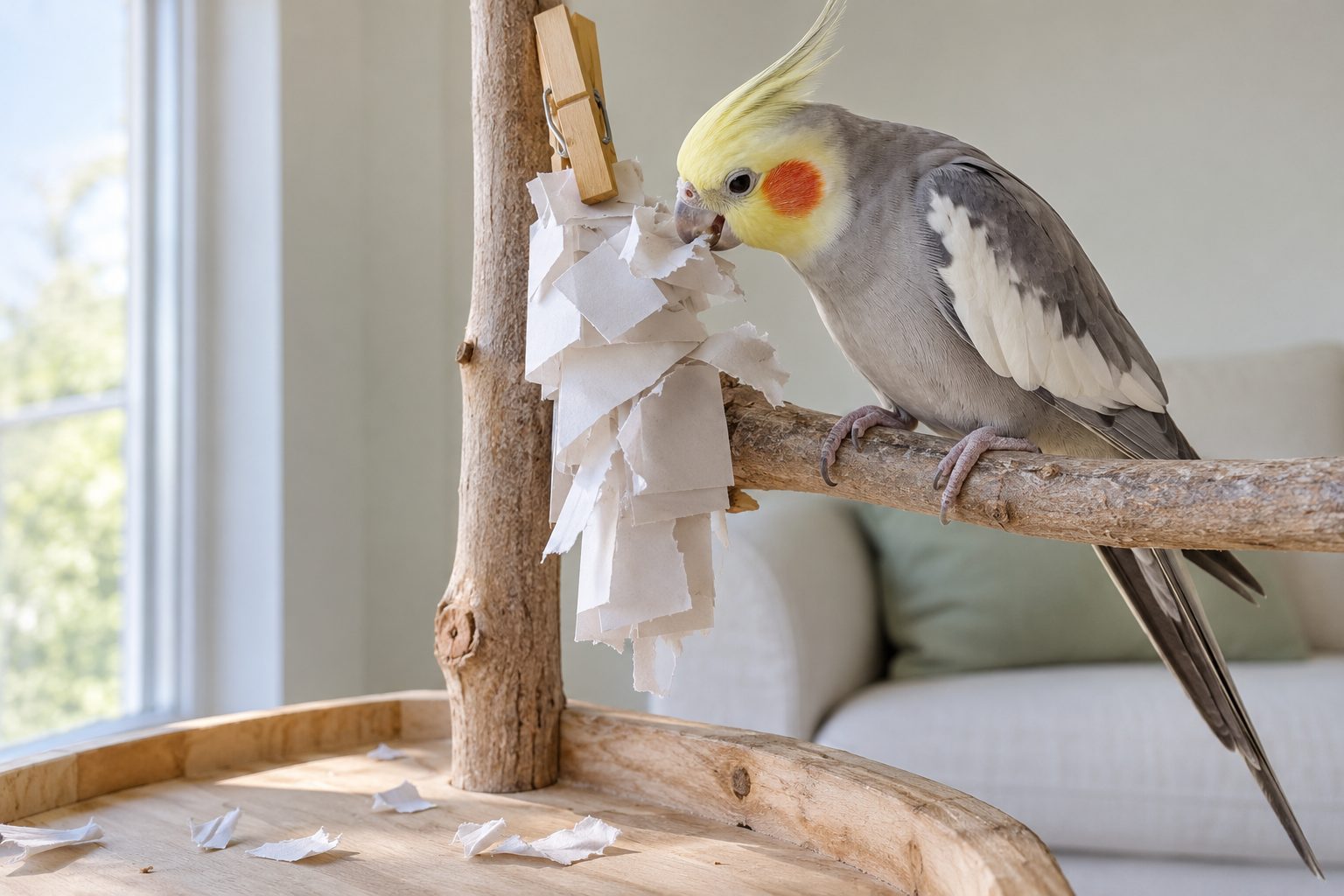
That means usable time and space matter. Out-of-cage activity requires a secured room, closed doors and windows, controlled access by other animals, and active supervision. Inside the enclosure, perches, bowls, and enrichment must support movement rather than occupy every flight path. Toys and foraging opportunities need inspection and rotation because an object that is safe today may become frayed, broken, or ingestible after chewing.
Social opportunity also has to be designed, not assumed. Some birds live with compatible birds; others rely heavily on human routines; many households use a mixture. Compatibility is individual, and another bird is neither a guaranteed friend nor a substitute for adequate space and observation. Human attention should not mean constant handling, either. It can include calm proximity, short training sessions, choice-based interaction, and responding to changes in the bird's ordinary behavior.
Then there is the work that disappears precisely when it is done well: changing liner, washing bowls, removing fresh food before it spoils, sweeping hulls and feathers, checking latches, replacing damaged materials, and watching actual intake rather than a full-looking bowl. Regular avian veterinary care belongs in that system, as does knowing where urgent care is available before it is needed.
None of those tasks is extraordinary. Their significance comes from repetition. A bird's welfare depends less on one heroic weekend of setup than on ordinary care continuing on busy Tuesdays.
Why the myth survives—and why routines do not erase needs
The low-maintenance myth persists because bird care is visually easy to underestimate. A small body makes the required space look optional. A quiet hour is mistaken for a quiet species. A clean cage in a photograph conceals the daily reset that produced it. Even affection can hide labor: a bird sitting peacefully near its person may be the result of months of patient, choice-based trust building.
There is also a fair counterpoint. Experienced owners often do find their routines manageable. Bowls are washed while breakfast is prepared. Paper is changed in minutes. A safe room is already organized. Training becomes part of normal interaction rather than a separate event. Expertise reduces friction, and a household that genuinely enjoys these rhythms may not experience them as burdensome.
But manageability is not the same as minimal need. A smooth routine works because the need has been anticipated. The owner bought replacement perches before the old one failed, arranged a competent caregiver before travel, and learned the bird's baseline well enough to notice a change. Calling the result “easy” credits the animal's size for what planning actually accomplished.
The myth can become harmful when it treats those systems as optional upgrades. A cage becomes permanent living space rather than one part of a larger environment. Noise is interpreted as misconduct rather than information to investigate. Enrichment is postponed until boredom is obvious. Veterinary care is sought only after a bird can no longer conceal illness. These are not inevitable failures, and they are not reasons to shame someone who is learning. They are reasons to describe the commitment accurately before enthusiasm becomes ownership.
Accurate language also leaves room for responsible change. If a household discovers that it cannot meet a bird's needs, seeking qualified help or a carefully vetted new home is not proof that the person never cared. Pretending the mismatch does not exist is less humane than addressing it.
Ask “does this life fit?”
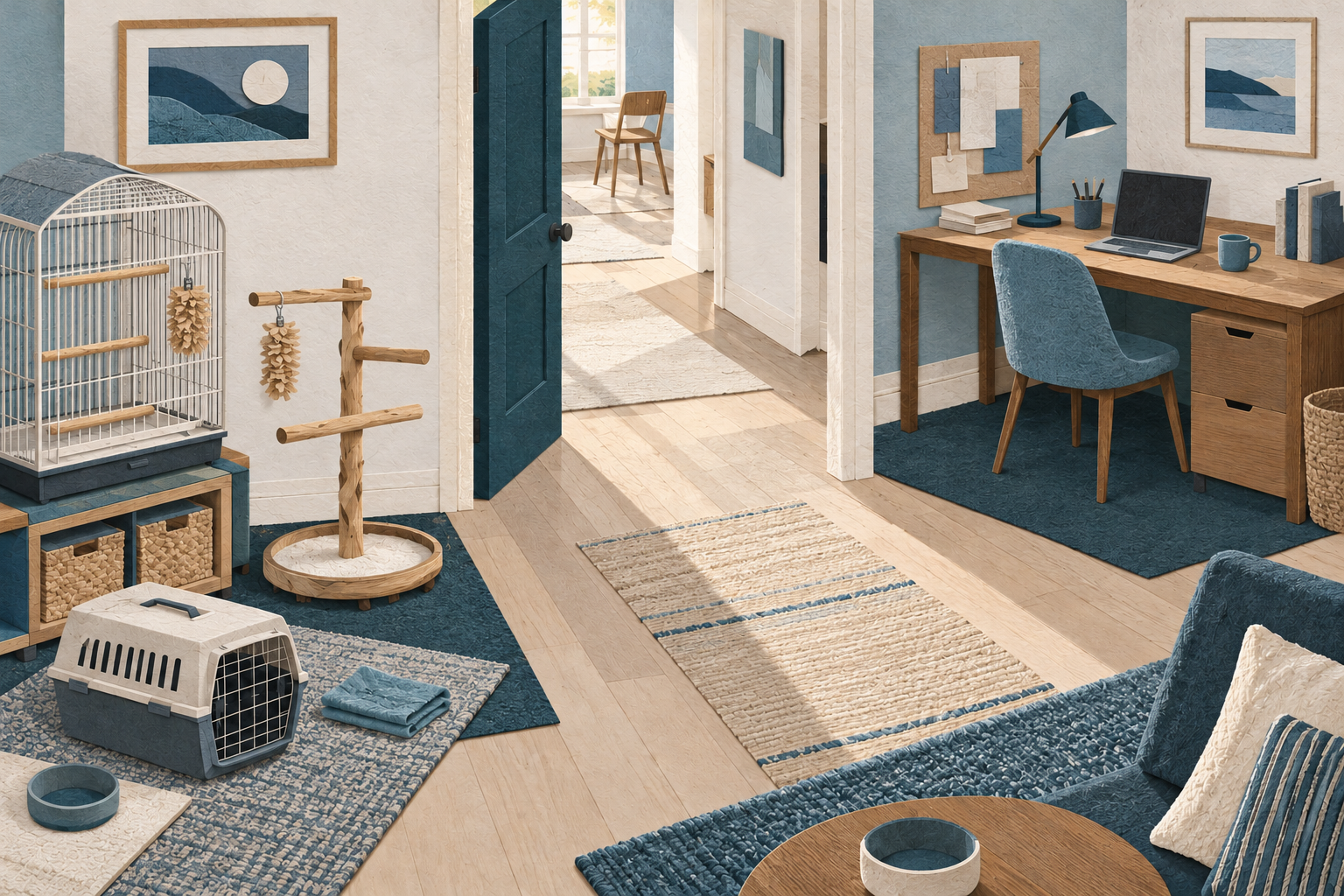
Replace “Are birds easy?” with five more concrete questions.
First, does the household have time that can recur? Count daily food and hygiene, supervised movement, observation, training, and social opportunity—not just weekend play. Second, can everyone tolerate the real sound profile? “Quieter than a macaw” does not mean silent, and calls may occur when the household most wants calm.
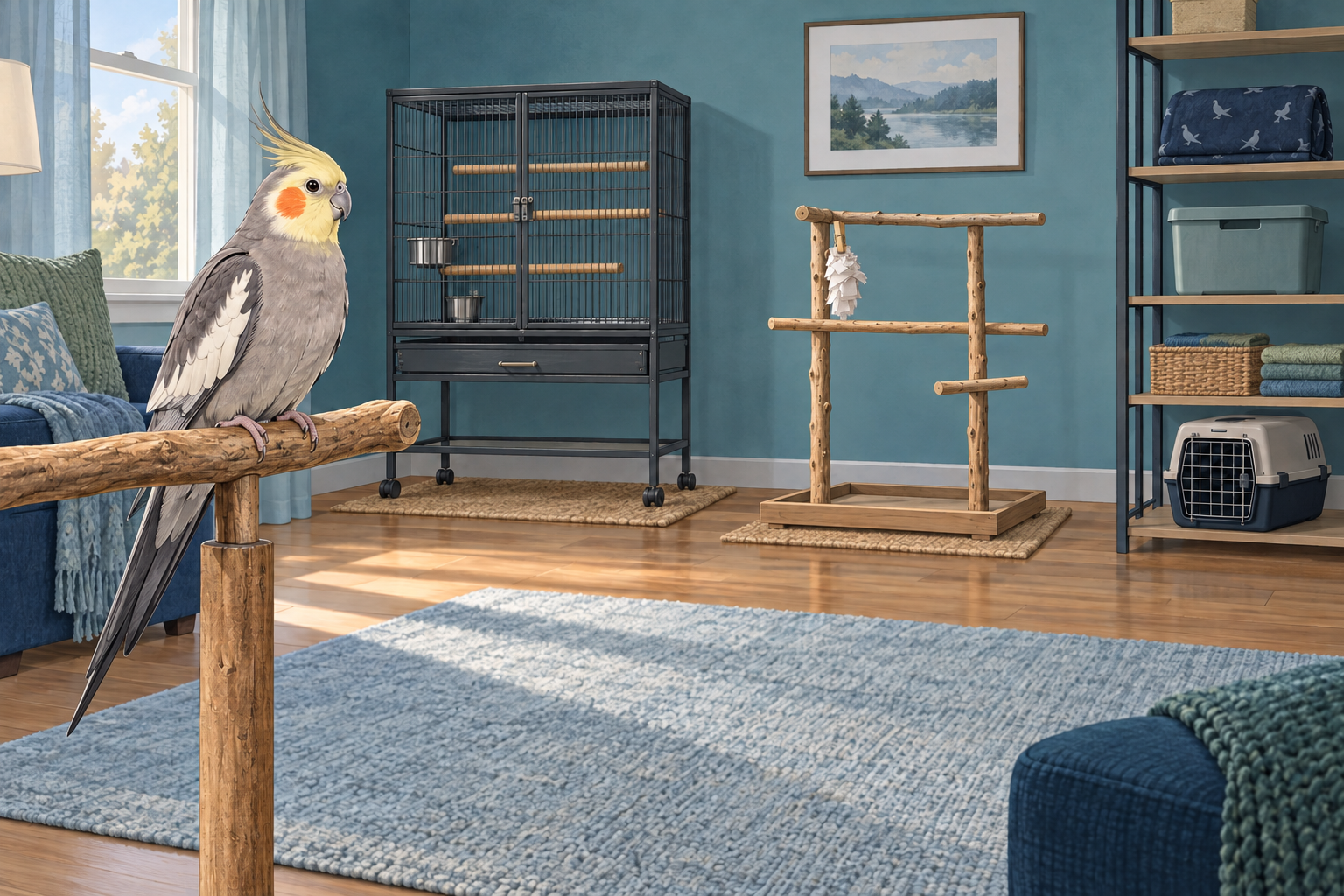
Third, is there safe space beyond the footprint of an enclosure? Think about flight or other species-appropriate movement, doors, windows, fans, kitchens, fumes, cables, other animals, and the room needed for a carrier and play area. Fourth, is professional care realistically accessible? A clinic that lists “exotics” may not regularly treat birds, and the nearest after-hours option may be farther away than expected.
Run those questions through an ordinary workday, a holiday, and a week when the primary caregiver is ill. A plan that succeeds only when everyone is rested and at home is not yet a resilient plan. The backup version is part of the fit assessment, not pessimism.
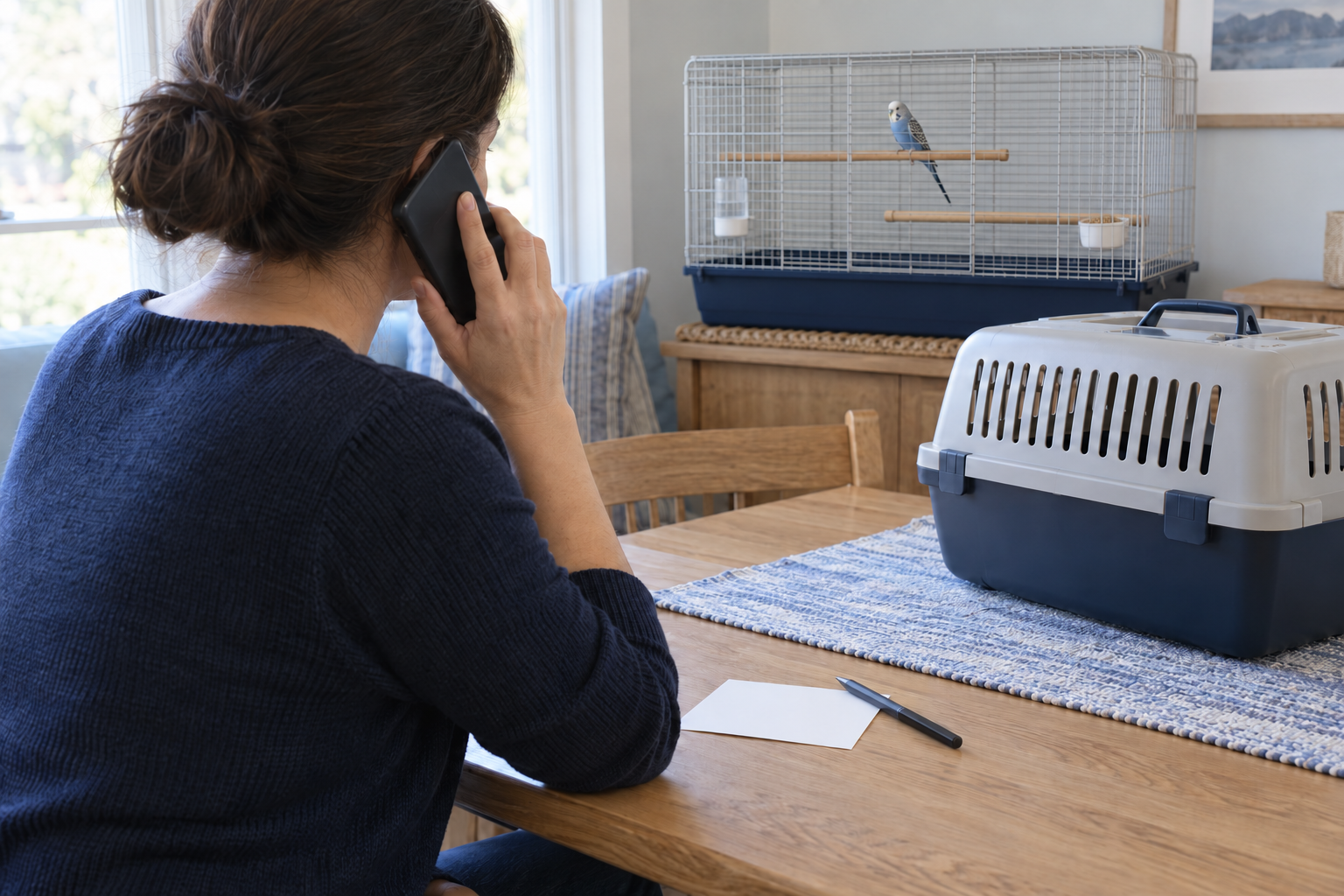
Finally, can the plan survive time? Many companion birds live for years or decades. Housing rules, partners, work hours, children, travel, finances, and the owner's health may all change during that span. A fit assessment should include backup care, transport, records, a veterinary reserve, and a plan for who can take over if the primary caregiver cannot.
Some households will answer these questions with a confident yes. They have room for noise and flight, enjoy building routines, can reach appropriate veterinary care, and want the kind of attentive relationship birds invite. For them, the work is not a warning label; it is part of the appeal.
Others may decide that a bird does not fit now, or that one species, number of birds, or source is unsuitable. That is valuable information, not a failed audition. The aim is not to prove devotion by choosing the hardest pet. It is to choose a life whose ordinary requirements can be met consistently—and to recognize that a small bird can ask a household a very large, worthwhile question.